
About New Year
Two clocks, one moment. Why does one town reach midnight before another?
How it began · Try the question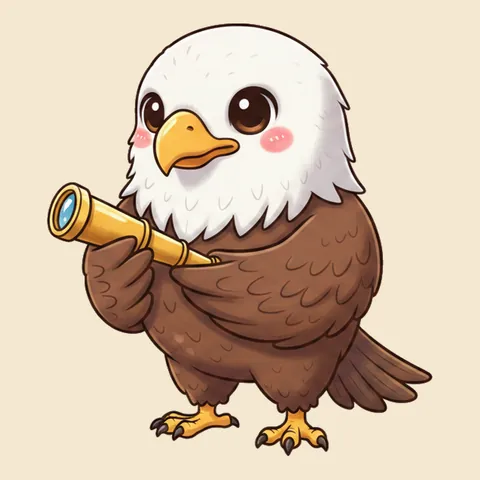
 Captain BeakonOur clock has struck midnight. Can I call Cluck and say Happy New Year?
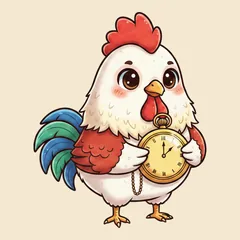 Cluck O’ClockYou can, but my clock still says yesterday! Let’s work out what happened.
When is it?
On the Gregorian calendar, New Year’s Day is 1 January. The date changes at midnight in each place’s local time. At the same moment, different places can be on different dates.
Who observes it?
Many people around the world mark 1 January, which is used on calendars for school, work and everyday life. Communities also mark new years on other calendars.
Why does it matter?
A new year gives people time to remember what happened and think about the year ahead. Some count down, watch fireworks, make plans or share a quiet meal.
How it began
Calendars and new-year dates have varied over time. Today, 1 January is the start of the Gregorian year used in many places. Local time zones mean the calendar page turns at different moments around the world.
Fun fact
Midnight travels
Midnight comes to different time zones in turn. Live clocks can show a city on 1 January while another is still on 31 December.
Try it
Your local clock says 12:01 am on 1 January. Could a friend elsewhere still be on 31 December?